


AI-powered technology has helped review more than 62,000 chest X-rays at two NHS hospitals in England, supporting faster identification of abnormalities that could indicate lung cancer.
Artificial intelligence is making its way into cancer detection, and a recent development in the UK’s National Health Service (NHS) highlights its potential.
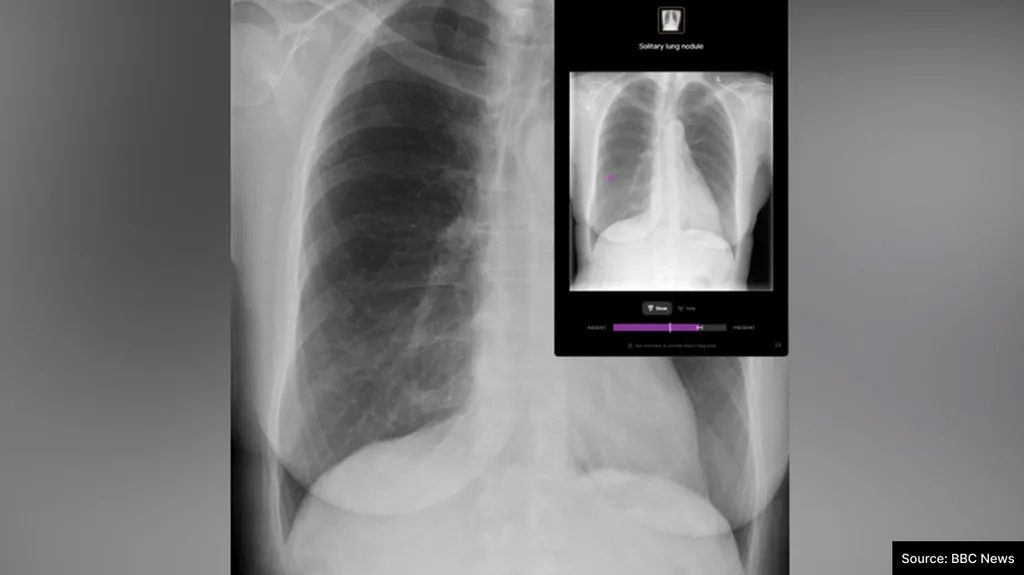
At Kettering General Hospital and Northampton General Hospital, AI-powered software is helping medical teams identify suspicious abnormalities in chest X-rays, including possible early signs of lung cancer.
According to NHS reports published in November 2026, the technology has already assisted in reviewing 62,661 chest X-rays.

How Is AI Helping Detect Lung Cancer?
The AI system examines chest X-rays and flags unusual findings that may require further investigation.
This allows radiology teams to prioritise potentially urgent cases instead of relying solely on the normal reporting queue.
When a suspicious abnormality is identified, clinicians can arrange additional tests, such as CT scans, to investigate whether cancer may be present.
In some cases, patients may be able to receive further imaging during the same hospital visit, potentially reducing unnecessary delays.
AI Supports Doctors, Not Replaces Them
One important aspect of this technology is that every X-ray is still independently reviewed by a qualified clinician.
AI provides an additional layer of support by highlighting possible concerns, while medical professionals remain responsible for diagnosis and treatment decisions.
The technology does not independently diagnose lung cancer.
A Promising Development in Cancer Detection
Early detection plays an important role in improving treatment opportunities for lung cancer patients.
By helping healthcare professionals identify suspicious X-rays sooner, AI could support more timely investigations and clinical decisions.
While the reported number of scans demonstrates the scale of the NHS deployment, it does not establish how many cancers were detected earlier or whether patient outcomes improved.
Nevertheless, the development highlights the growing role of AI in supporting cancer diagnosis.
At Klizo Solutions, we see this as another encouraging example of how artificial intelligence can support healthcare professionals and help improve access to timely medical care.
Source: BBC News, November 2026